The Quiet Liability: How Aging Energy Infrastructure Is Eroding Enterprise Balance Sheets
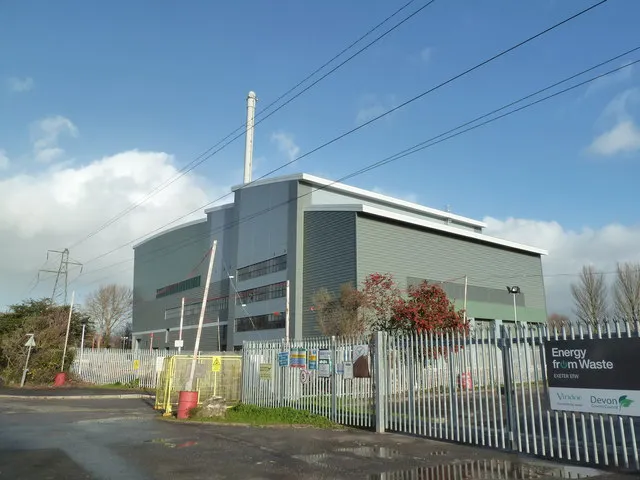
Photo: Chris Allen , CC BY-SA 2.0, via Wikimedia Commons
For decades, owning energy infrastructure was considered a mark of operational maturity. A dedicated substation, a bank of diesel generators, a legacy combined heat and power system—these assets signaled self-sufficiency and, in the accounting sense, tangible value. Today, that equation is reversing. What once appeared on the balance sheet as a capital asset is increasingly functioning as a long-term liability, one that many enterprises have yet to fully reckon with.
The shift is not hypothetical. It is already playing out in quarterly earnings reviews, in capital allocation debates, and in conversations between energy directors and CFOs who are asking a question that would have seemed premature five years ago: at what point does maintaining this equipment cost more than retiring it?
The Anatomy of a Stranded Asset
In energy finance, a stranded asset is any piece of infrastructure whose economic value has declined faster than its useful life would ordinarily suggest—often because the market, regulatory environment, or technological landscape has moved on. The concept is most commonly applied to utility-scale generation, but it applies with equal force to enterprise-owned infrastructure.
Consider the diesel generator installed in 2004 to provide backup power for a manufacturing campus. At the time, it was a sound investment. Today, that same asset faces a compounding set of pressures: stricter EPA emissions standards at the state and federal level, rising maintenance costs as parts become harder to source, and the emergence of battery storage and microgrid solutions that deliver superior reliability at declining capital cost. The generator still works. But its total cost of ownership—when maintenance, compliance, fuel, and opportunity cost are factored in—may now exceed the cost of a modern replacement.
Multiply that dynamic across a typical large enterprise's energy footprint—aging switchgear, undersized substations, legacy metering infrastructure, outdated building energy management systems—and the aggregate liability becomes significant.
Why the Problem Is Larger Than Most Balance Sheets Reflect
One of the central challenges with stranded energy assets is that they tend to be underrepresented in financial reporting. Under conventional accounting frameworks, fixed assets are carried at historical cost less accumulated depreciation. This approach tells you what an asset originally cost and how long it has been in service. It does not tell you whether that asset remains economically rational to operate, nor does it capture the contingent liabilities associated with decommissioning, environmental remediation, or regulatory non-compliance.
For enterprises with substantial legacy infrastructure, this creates a gap between the balance sheet picture and the operational reality. An asset that appears to carry residual book value may, in practice, require significant capital expenditure simply to remain compliant with evolving emissions or safety regulations—expenditures that, if incurred, would not restore the asset's competitive utility but merely extend its compliance status.
Energy directors who have attempted to build the full economic case for asset retirement often encounter resistance at the CFO level, precisely because the accounting does not surface the problem. The asset appears to have value. The cash flow impact of replacement appears negative in the near term. The regulatory exposure remains theoretical until it is not.
Regulatory Timelines Are Compressing the Decision Window
What has changed materially in recent years is the pace at which regulatory pressure is converting theoretical exposure into real cost. At the federal level, EPA rules governing stationary source emissions continue to tighten. Several states—including California, New York, and Illinois—have adopted or are advancing regulations that will effectively prohibit the continued operation of certain diesel backup generation assets within specific timeframes.
For enterprises operating across multiple jurisdictions, this creates a patchwork of compliance deadlines that can be difficult to track and even harder to budget for in aggregate. A generator that remains compliant in one state may already be out of compliance in another. A substation that meets current interconnection standards may require costly upgrades to accommodate renewable integration or increased load density driven by electrification.
The enterprises best positioned to manage this pressure are those that have already begun systematic asset lifecycle reviews—not waiting for a compliance notice to trigger action, but proactively identifying where infrastructure is approaching the end of its economic and regulatory runway.
The Capital Trap: Between Maintenance and Modernization
Perhaps the most acute challenge facing energy directors today is what might be called the capital trap: the position of being unable to afford full modernization but unable to justify continued maintenance investment in assets with limited remaining utility.
This trap is particularly common in mid-sized industrial enterprises and commercial real estate operators whose energy infrastructure was largely built out between the 1980s and early 2000s. The infrastructure functions—after a fashion—but it is increasingly expensive to maintain, increasingly difficult to staff with qualified technicians, and increasingly misaligned with the enterprise's broader energy strategy.
The cost of doing nothing, however, is not zero. Deferred maintenance accelerates deterioration. Regulatory exposure accumulates. And perhaps most consequentially, aging infrastructure limits the enterprise's ability to adopt newer energy technologies—demand response programs, distributed energy resources, advanced metering infrastructure—that are generating measurable financial returns for competitors who have already made the transition.
A Framework for Strategic Asset Retirement
Addressing stranded energy infrastructure requires a structured approach that integrates financial analysis, regulatory assessment, and operational planning. For CFOs and energy directors navigating this challenge, several principles have proven consistently useful.
Begin with a full asset inventory. Many enterprises lack a comprehensive, current record of their energy infrastructure holdings, including installation dates, maintenance histories, and compliance status. Establishing this baseline is a prerequisite for any meaningful financial analysis.
Model the full cost of continued ownership. This means moving beyond book value and depreciation schedules to capture projected maintenance expenditure, compliance costs, fuel or operating costs, and the opportunity cost of capital tied up in non-performing assets. In many cases, this analysis surfaces economic cases for retirement that are far stronger than initial intuition suggests.
Assess replacement options against current market conditions. The cost and capability of replacement technologies have shifted considerably in recent years. Battery storage, modular microgrid systems, and advanced grid-interactive equipment now offer performance characteristics that legacy infrastructure cannot match, often at capital costs that have declined substantially. Any retirement decision should be paired with a current-market evaluation of alternatives.
Sequence retirements to align with regulatory timelines and capital availability. Not every asset needs to be retired simultaneously. A phased approach, sequenced against regulatory deadlines and capital planning cycles, allows enterprises to manage cash flow while systematically reducing exposure.
Engage utility and grid partners early. Retiring on-site infrastructure often has implications for utility interconnection agreements, capacity arrangements, and demand response participation. Early engagement with utility partners and grid operators can prevent the retirement process from generating new complications.
From Liability to Strategic Position
The enterprises that will navigate this transition most effectively are those that treat it as a strategic opportunity rather than a compliance exercise. Retiring underperforming energy assets frees capital, reduces ongoing operational cost, and creates the infrastructure conditions necessary to adopt technologies that generate competitive advantage.
The balance sheet case for proactive asset retirement is increasingly clear. The regulatory case is becoming more urgent. And the operational case—the argument that modern, flexible energy infrastructure simply performs better than legacy systems—has never been stronger.
For energy directors and CFOs who have deferred this conversation, the window for orderly action is narrowing. The enterprises that act deliberately now will be better positioned than those who wait for a compliance deadline or an equipment failure to force the issue.